Grant funding has become one of the most attractive ways for entrepreneurs, nonprofits, and organizations to secure capital. Unlike loans, grants do not require repayment, which makes them a powerful tool for launching projects, expanding businesses, and supporting innovation.
However, the reality is that grant applications are highly competitive. Thousands of applicants often compete for a limited number of awards. Many strong projects still fail because their applications are weak, incomplete, or poorly aligned with the grant’s objectives.
The good news is that successful grant applications are not random. They follow patterns. Organizations that understand how grant evaluators think dramatically increase their chances of approval.
This guide explains practical strategies that can help maximize your chances of winning grant funding.
Understand the grant’s real objective
The first step toward a successful grant application is understanding the true purpose of the funding program.
Many applicants focus only on the money, but grant providers care more about impact and alignment. Every grant program has specific goals such as:
- Supporting economic development
- Encouraging innovation
- Promoting entrepreneurship
- Improving community welfare
- Advancing education or research
Before writing your proposal, carefully analyze the program’s priorities. Your application should clearly show how your project contributes to those goals.
Applications that strongly match program objectives are far more likely to succeed.
Choose the right grant opportunity
One of the most common mistakes applicants make is applying for every grant they find. This approach often leads to weak submissions.
Instead, focus on programs that match your:
- Business stage
- Sector or industry
- Project goals
- Geographic eligibility
When your proposal aligns with the grant’s purpose, reviewers can easily see why your project deserves funding.
Strategic selection saves time and improves success rates.
Develop a clear and realistic project plan
Grant reviewers want to see well-structured projects that can realistically achieve the promised results.
A strong project plan should explain:
- The problem your project addresses
- Your proposed solution
- The expected outcomes
- The timeline for implementation
Avoid vague ideas. Provide a clear step-by-step explanation of how the project will be executed.
A detailed plan shows that you understand the work involved.
Create a detailed budget
A well-prepared budget demonstrates financial discipline.
Your budget should include:
- Equipment and materials
- Personnel costs
- Operational expenses
- Administrative costs
- Monitoring and reporting expenses
Each budget item should be directly linked to project activities.
Grant reviewers often reject applications with unrealistic or poorly explained budgets.
Demonstrate measurable impact
Most grant programs prioritize projects that produce measurable results.
Your proposal should clearly explain:
- How the project will create impact
- Who will benefit
- How success will be measured
For example, a business grant proposal might highlight:
- Jobs created
- Revenue growth
- Market expansion
- Skills development
Quantifiable outcomes strengthen your application.
Provide strong supporting documents
Supporting documentation can significantly strengthen your proposal.
Common documents include:
- Business registration certificates
- Financial statements
- Letters of support
- Market research reports
- Organizational profiles
These materials provide evidence that your project is credible and well-prepared.
Incomplete documentation is one of the fastest ways to lose funding opportunities.
Show evidence of capability
Grant providers want to know that the applicant can actually deliver the proposed project.
You should demonstrate:
- Relevant experience
- Team expertise
- Previous achievements
- Partnerships or collaborations
Even early-stage startups can highlight achievements such as pilot projects, prototypes, or early customers.
Capability builds confidence in your application.
Follow application instructions carefully
Many applications fail because applicants ignore basic instructions.
Grant providers often require specific formats, word limits, and documentation.
Always ensure that you:
- Complete every required section
- Follow formatting guidelines
- Submit the correct documents
- Meet the deadline
Attention to detail shows professionalism.
Submit early and avoid deadline stress
Submitting applications at the last minute increases the risk of mistakes.
Prepare early and aim to submit before the deadline. Early submissions allow time to:
- Review the proposal
- Correct errors
- Upload missing documents
Many successful applicants treat grant preparation as a structured project rather than a rushed task.
Learn from unsuccessful applications
Rejection is common in the grant world. Even strong proposals sometimes fail due to limited funding.
Instead of giving up, use unsuccessful applications as learning opportunities.
Review feedback carefully and improve future proposals. Many successful organizations win grants only after several attempts.
Persistence is often part of the process.
Build long-term relationships with grant providers
Grant funding is often easier for applicants who maintain long-term engagement with funding organizations.
You can build relationships by:
- Participating in grant workshops
- Attending information sessions
- Joining entrepreneurship programs
- Following funding announcements
Engaged applicants often receive early information about new funding opportunities.
Stay organized and track opportunities
Successful grant applicants treat funding opportunities as part of a strategic system.
Consider maintaining a simple grant tracking system that includes:
- Program names
- Application deadlines
- Eligibility criteria
- Required documents
Staying organized ensures you never miss important opportunities.
Final thoughts
Winning a grant is not just about having a good idea. It requires careful preparation, strategic alignment, and clear communication.
Successful applicants understand the goals of the funding program, present well-structured proposals, and demonstrate their ability to deliver measurable results.
Although grant competitions are challenging, the right approach can significantly increase your chances of success.
With persistence, preparation, and strategic thinking, grant funding can become a powerful tool for supporting innovation, expanding businesses, and creating lasting impact.
Frequently Asked Questions (FAQ)
What is the most important factor in winning a grant?
Strong alignment between your project and the grant program’s objectives is often the most important factor.
Do I need a business plan to apply for grants?
Many grant programs require a clear project proposal or business plan explaining how the funding will be used.
Why are grant applications often rejected?
Common reasons include poor alignment with program goals, incomplete documentation, and weak project planning.
Can startups win grants without experience?
Yes, especially if they demonstrate innovation, clear impact, and strong execution plans.
How long does it take to receive grant approval?
Approval timelines vary widely but often range from several weeks to several months.
Should I apply for multiple grants at once?
Yes, if your project qualifies for multiple programs and the applications are tailored accordingly.
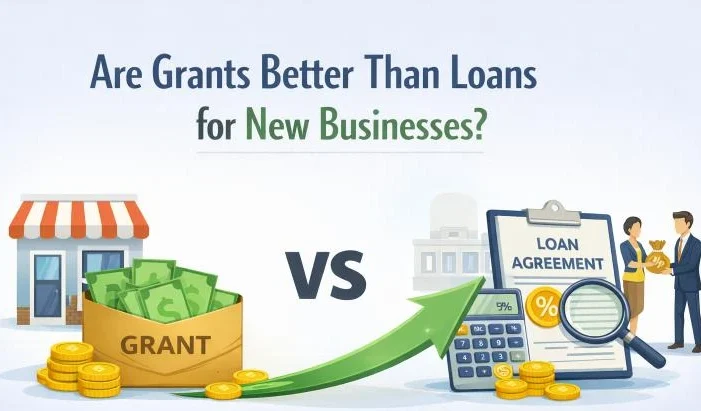
Are grants better than loans?
Grants are safer because they do not require repayment, but they are usually more competitive.
How can I improve my chances of success?
Prepare strong proposals, align with program goals, submit complete documentation, and apply strategically.