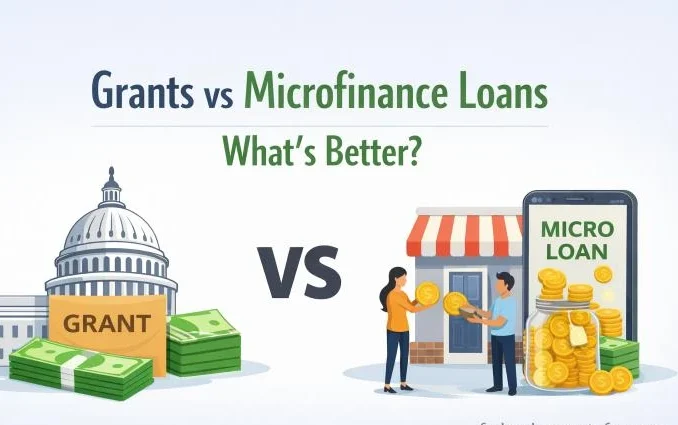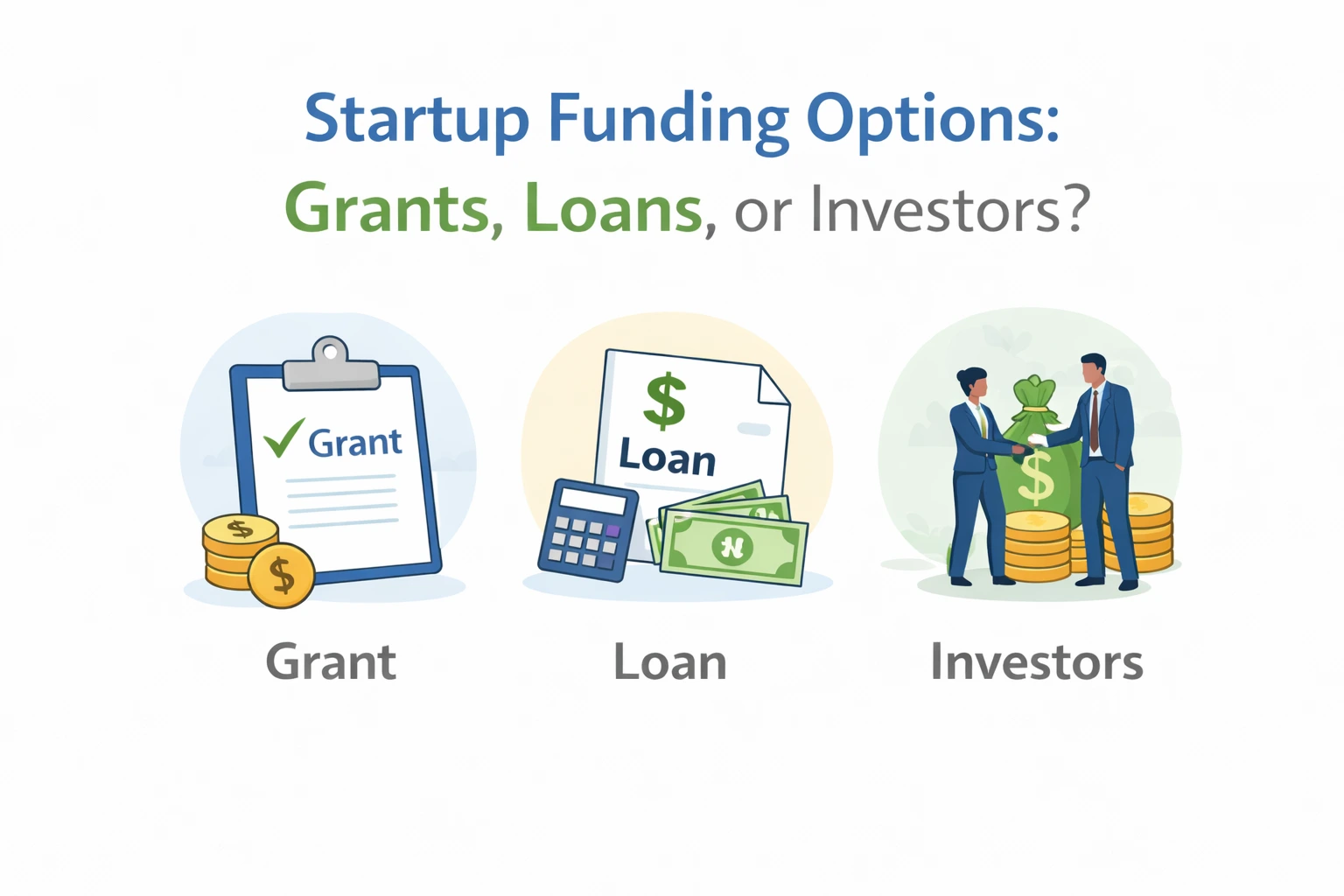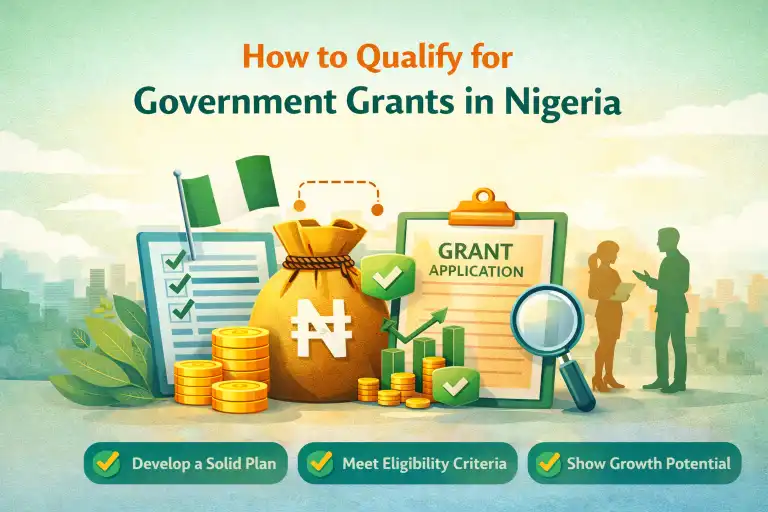
Many Nigerian entrepreneurs search for government grants because they provide funding that does not require repayment. Unlike loans, grants allow businesses and projects to grow without the pressure of interest or monthly repayments.
However, one of the biggest reasons applicants fail to receive grants is not meeting the eligibility requirements. Government grant programs usually have strict criteria designed to ensure that funding goes to the right applicants.
Understanding these requirements before applying can save time and dramatically increase your chances of approval.
This guide provides a practical eligibility checklist to help Nigerian entrepreneurs qualify for government grants and prepare strong applications.
Why eligibility requirements matter
Government grants are designed to achieve specific policy goals such as job creation, innovation, youth empowerment, and economic development.
Because of this, grant programs must ensure that funding goes to qualified applicants who can deliver measurable results.
Eligibility requirements help grant agencies:
- Identify suitable applicants
- Ensure responsible use of public funds
- Support businesses with growth potential
- Prevent fraud and misuse of funds
Meeting these requirements is the first step toward a successful grant application.
Basic eligibility checklist for government grants in Nigeria
Although requirements vary depending on the program, most government grants share several common eligibility criteria.
1. Nigerian citizenship or residency
Most government grant programs are designed specifically for Nigerian citizens or legal residents.
Applicants may need to provide:
- National identification number (NIN)
- Valid identification documents
- Proof of residency
These documents confirm that the applicant qualifies for national support programs.
2. Registered business with CAC
Many grant programs require businesses to be formally registered with the Corporate Affairs Commission (CAC).
Business registration demonstrates legitimacy and accountability.
Applicants may need to provide:
- Certificate of incorporation or business name registration
- CAC registration number
- Business address details
Some startup-focused grants may accept early-stage businesses, but registration still improves approval chances.
3. A clear business idea or project plan
Government grant providers want to fund projects that have clear goals and measurable impact.
Applicants should prepare a basic plan explaining:
- The problem the business solves
- The products or services offered
- Target customers
- Revenue strategy
- How the grant will be used
A well-prepared plan helps reviewers understand the potential value of the project.
4. Defined use of grant funds
Grant providers expect applicants to clearly state how the funding will be spent.
Typical eligible uses include:
- Equipment purchases
- Business expansion
- Technology adoption
- Training and capacity building
- Product development
Applications that lack a clear funding plan are often rejected.
5. Alignment with priority sectors
Many government grants prioritize certain sectors that support national development.
These sectors often include:
- Agriculture and agribusiness
- Technology and digital services
- Manufacturing and local production
- Creative industries
- Renewable energy
Businesses operating in these sectors may have stronger chances of approval.
6. Potential for job creation or economic impact
Government grants often focus on projects that create employment opportunities or economic value.
Applicants should demonstrate how their business will:
- Create jobs
- Support local communities
- Expand economic activity
- Encourage innovation
Projects with measurable impact often receive higher priority.
7. Business bank account
Most grant programs require applicants to provide a valid business bank account.
This ensures transparency and proper fund disbursement.
Applicants may need to submit:
- Bank account details
- Bank verification documents
- Financial transaction records (in some cases)
A dedicated business account improves financial credibility.
8. Compliance with program guidelines
Each grant program has specific guidelines that applicants must follow.
These may include:
- Age requirements for youth programs
- Gender-specific initiatives
- Sector-specific eligibility rules
- Geographic restrictions
Applicants must carefully review program instructions before applying.
Documents commonly required for grant applications
Most government grant applications require supporting documentation.
Typical documents include:
- Valid identification (NIN or national ID)
- CAC registration certificate
- Business plan or proposal
- Bank account details
- Financial projections
- Passport photograph
Preparing these documents in advance can significantly speed up the application process.
How to improve your chances of qualifying
Meeting basic eligibility requirements is only the first step. Applicants can improve their chances by strengthening their profiles.
Build a simple business record
Even small achievements can help.
Examples include:
- Early customer sales
- Pilot projects
- Product prototypes
- Social media presence
Demonstrating real progress shows commitment and credibility.
Maintain proper financial records
Keeping organized financial records helps grant reviewers assess business stability.
Even simple records of expenses and revenue can strengthen your application.
Follow instructions carefully
Many applicants are rejected because they ignore instructions or submit incomplete forms.
Always ensure that:
- All required fields are completed
- Documents are uploaded correctly
- Deadlines are respected
Attention to detail matters.
Common reasons applicants fail to qualify
Understanding common mistakes can help you avoid them.
Frequent issues include:
- Applying without CAC registration
- Submitting incomplete documentation
- Applying for programs outside your sector
- Lack of a clear business plan
- Missing application deadlines
Avoiding these errors can dramatically improve success rates.
Final thoughts
Government grants in Nigeria offer valuable funding opportunities for entrepreneurs, startups, and small businesses.
However, successful applications depend on meeting eligibility requirements and preparing strong documentation.
Entrepreneurs who understand the requirements, prepare their applications carefully, and align their projects with government priorities are far more likely to secure grant funding.
With the right preparation and strategic approach, government grants can provide the capital needed to start businesses, expand operations, and create long-term economic impact.
Frequently Asked Questions (FAQ)
Do I need CAC registration to qualify for government grants in Nigeria?
Most programs require CAC registration, although some startup grants may accept early-stage applicants.
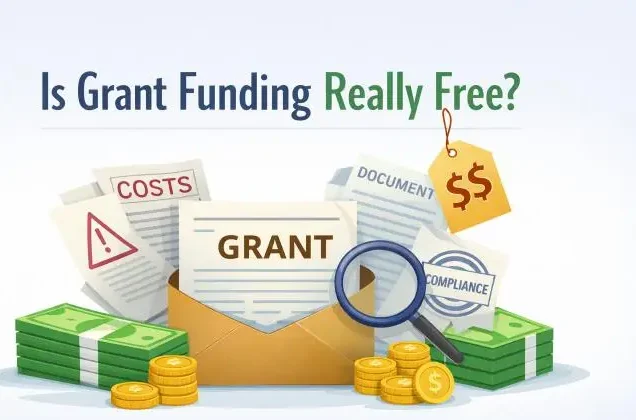
Are government grants in Nigeria free money?
Yes. Grants do not require repayment if program conditions are met.
Can individuals apply for government grants without a business?
Some programs support early-stage entrepreneurs, but having a registered business improves eligibility.
Which sectors receive the most government grants?
Common priority sectors include agriculture, technology, manufacturing, and digital services.
Do government grants require collateral?
No. Grants do not require collateral because they are not loans.
How long does grant approval take?
Approval timelines vary depending on the program and the number of applications received.
Can startups apply for multiple government grants?
Yes, provided the business meets eligibility requirements and funding purposes do not conflict.
What improves my chances of qualifying for a grant?
A clear business plan, proper documentation, and alignment with program objectives.