Starting a business often requires capital before revenue begins. For many entrepreneurs, government-backed loans are one of the most realistic ways to access startup funding. These loans are designed to reduce lender risk while helping new businesses access capital they might not otherwise qualify for.
In 2026, government loan programs remain a major source of startup financing worldwide. They are not free money, but they are usually cheaper, safer, and more flexible than purely private loans.
This guide explains how government business loans work, who qualifies, and the exact steps to improve your chances of approval.
What a government startup loan really is
A government business loan is not usually issued directly by the government. Instead, the government supports or guarantees the loan while approved lenders provide the funds.
This support reduces risk for lenders and makes it easier for startups to access capital.
Government-backed loans typically offer:
- Lower interest rates
- Longer repayment terms
- Smaller collateral requirements
- Startup-friendly eligibility
They are designed to encourage entrepreneurship, not to eliminate repayment.
Who can qualify for a government business loan
Eligibility varies by program, but most government startup loans look for viability, not perfection.
Common qualification factors include:
- A clear business idea or plan
- Proof of market demand
- Basic financial projections
- Founder commitment and credibility
- Legal business registration or intent
Many programs accept early-stage or pre-revenue businesses if the plan is realistic..
What government lenders look for first
Government loan approval is less about credit scores alone and more about risk management.
Lenders usually assess:
- How the business will make money
- How the loan will be used
- How repayment will happen
- Whether costs are realistic
- Whether the founder understands risks
A weak plan is the most common reason applications fail.
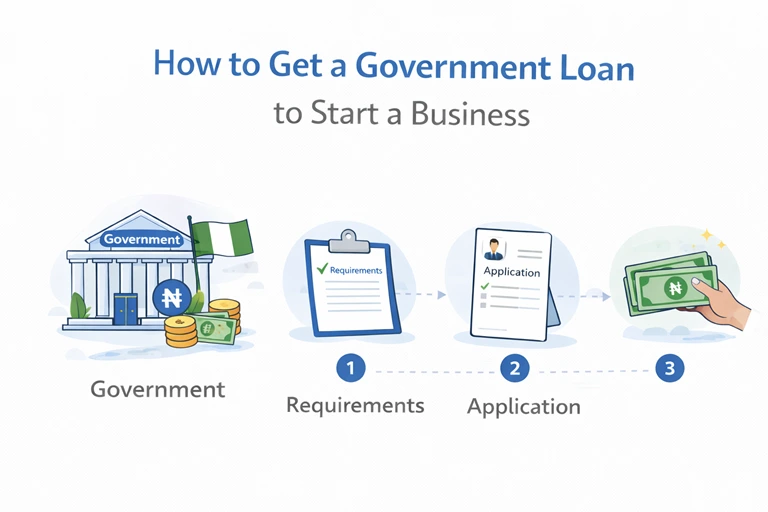
Step-by-step: how to get a government loan for a startup
Step 1: Define exactly what the loan is for
Government loans are purpose-driven. You must clearly explain how the money will be used.
Acceptable uses usually include:
- Equipment and tools
- Startup setup costs
- Initial inventory
- Technology and systems
- Marketing for launch
Loans are rarely approved for personal expenses.
Step 2: Prepare a simple, realistic business plan
Your plan does not need to be complex. It needs to be clear.
A strong plan explains:
- What you sell
- Who buys it
- Why they choose you
- How much it costs to operate
- How the loan will be repaid
Clarity matters more than length.
Step 3: Build basic financial projections
Even early-stage startups must show numbers.
You should prepare:
- Startup cost breakdown
- Monthly expense estimate
- Revenue assumptions
- Cash-flow projection
These numbers show lenders you understand financial reality.
Step 4: Register the business properly
Most government loan programs require:
- Legal business registration
- Required permits or licenses
- Business bank account
Some programs allow applications during registration, but approval usually requires completion.
Step 5: Apply through approved channels
Government startup loans are accessed through:
- Approved banks
- Development finance institutions
- Partner lending platforms
Applications typically include forms, documents, and interviews.
Step 6: Prepare for review and follow-up
Approval is not instant.
Lenders may request:
- Clarifications
- Updated projections
- Proof of experience
- Additional documentation
Fast responses improve approval chances.
Common reasons government loan applications fail
Understanding failure points improves success.
The most common issues include:
- Unclear loan purpose
- Unrealistic revenue assumptions
- Weak repayment plan
- Poor documentation
- Applying for more than needed
Government loans are supportive, but not careless.
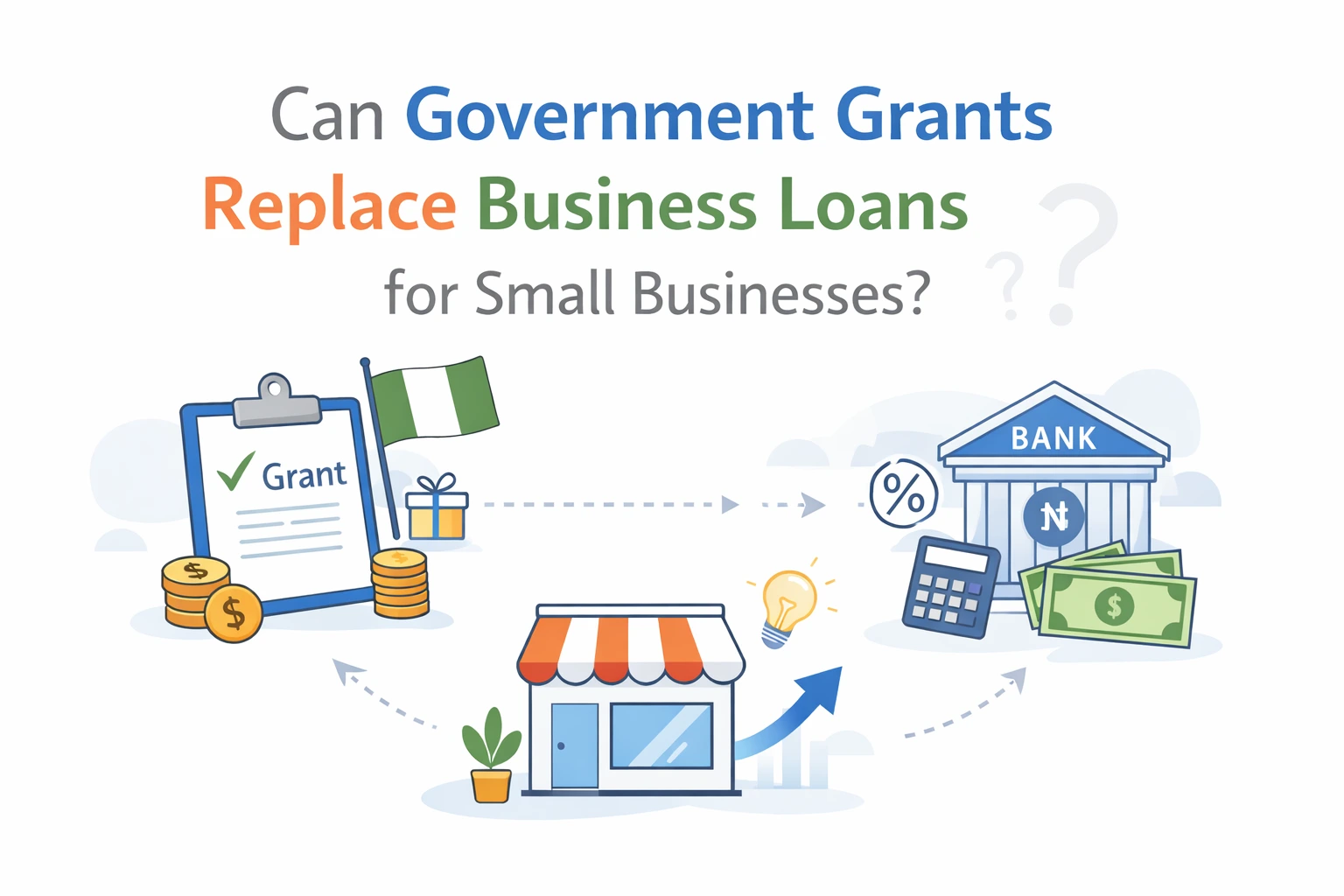
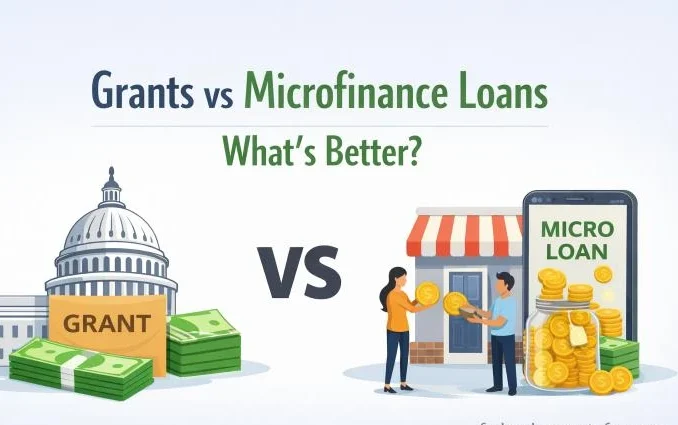
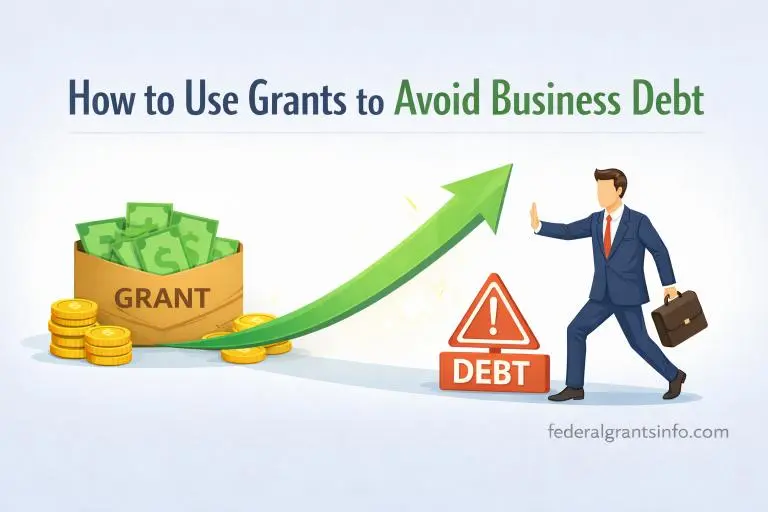
How government loans compare to grants
Government loans are often confused with grants.
Key differences:
- Loans must be repaid
- Grants do not require repayment
- Loans are faster
- Grants are more restrictive
- Loans support operations better
Many startups use loans for launch and grants for later development.
Smart tips to improve approval chances
To improve your odds:
- Borrow only what you need
- Show conservative revenue projections
- Explain risks honestly
- Demonstrate personal commitment
- Keep records clean
Credibility matters as much as numbers.
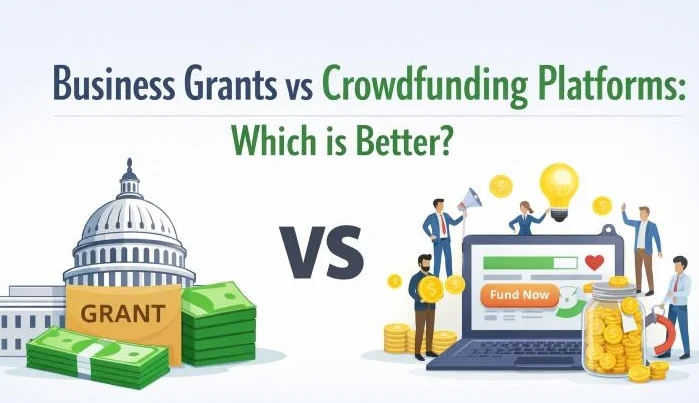
Should you choose a government loan or another option?
Government loans are best when:
- You need capital quickly
- You can handle repayment
- The business has clear revenue potential
- You want to avoid giving up ownership
They may not be ideal if cash flow is highly uncertain or if repayment would threaten survival.
list of Government Loan to Start a Business 2026
Final perspective
Government loans exist to help startups bridge the gap between idea and operation. They are not free money, but they are often the most accessible form of startup debt.
Success depends on preparation, realism, and discipline.
If the loan supports revenue and fits cash flow, it can be a powerful launch tool. If it adds pressure without payoff, it becomes a burden.
Choose carefully.
Frequently Asked Questions (FAQ)
Can I get a government loan without an existing business?
Yes. Many government-backed loan programs support startups and pre-revenue businesses, provided the business plan is realistic and well-prepared.
Do government startup loans require collateral?
Some do, but requirements are often lower than private loans. In many cases, guarantees or partial collateral are accepted.
Are government loans cheaper than bank loans?
Usually yes. They often have lower interest rates and longer repayment terms, which reduces monthly pressure.
How long does approval take for a government business loan?
Timelines vary, but approval usually takes weeks rather than days. Preparation can speed up the process.
Can government loans be used for any business expense?
No. Funds are usually restricted to approved business-related uses such as equipment, setup costs, or inventory.
What credit score is needed for a government loan?
Requirements are often more flexible than private lenders. Business viability matters more than perfect credit.
Can I combine a government loan with a grant?
Yes. Many startups use government loans for operations and grants for development, as long as rules are followed.
What happens if the business fails?
Repayment is still required. Government support reduces risk but does not remove responsibility.