Bank loans are no longer the default funding choice for many entrepreneurs. Approval can be slow. Requirements are strict. Repayment pressure is high. In 2026, business owners are actively looking for flexible, lower-risk alternatives to traditional bank financing.
The good news is this.
Entrepreneurs now have more funding options than ever before.
This guide explains the best alternatives to bank loans, how they work, and when each option makes financial sense. The focus is on capital access, risk control, and sustainable business growth.
Why entrepreneurs are moving away from bank loans
Bank loans were once the primary source of business funding. Today, many entrepreneurs avoid them unless absolutely necessary.
Common reasons include high interest costs, collateral demands, rigid repayment schedules, and slow approval timelines. For early-stage and fast-moving businesses, these limits can stall growth.
Modern entrepreneurs prefer funding that adapts to revenue, timing, and opportunity.
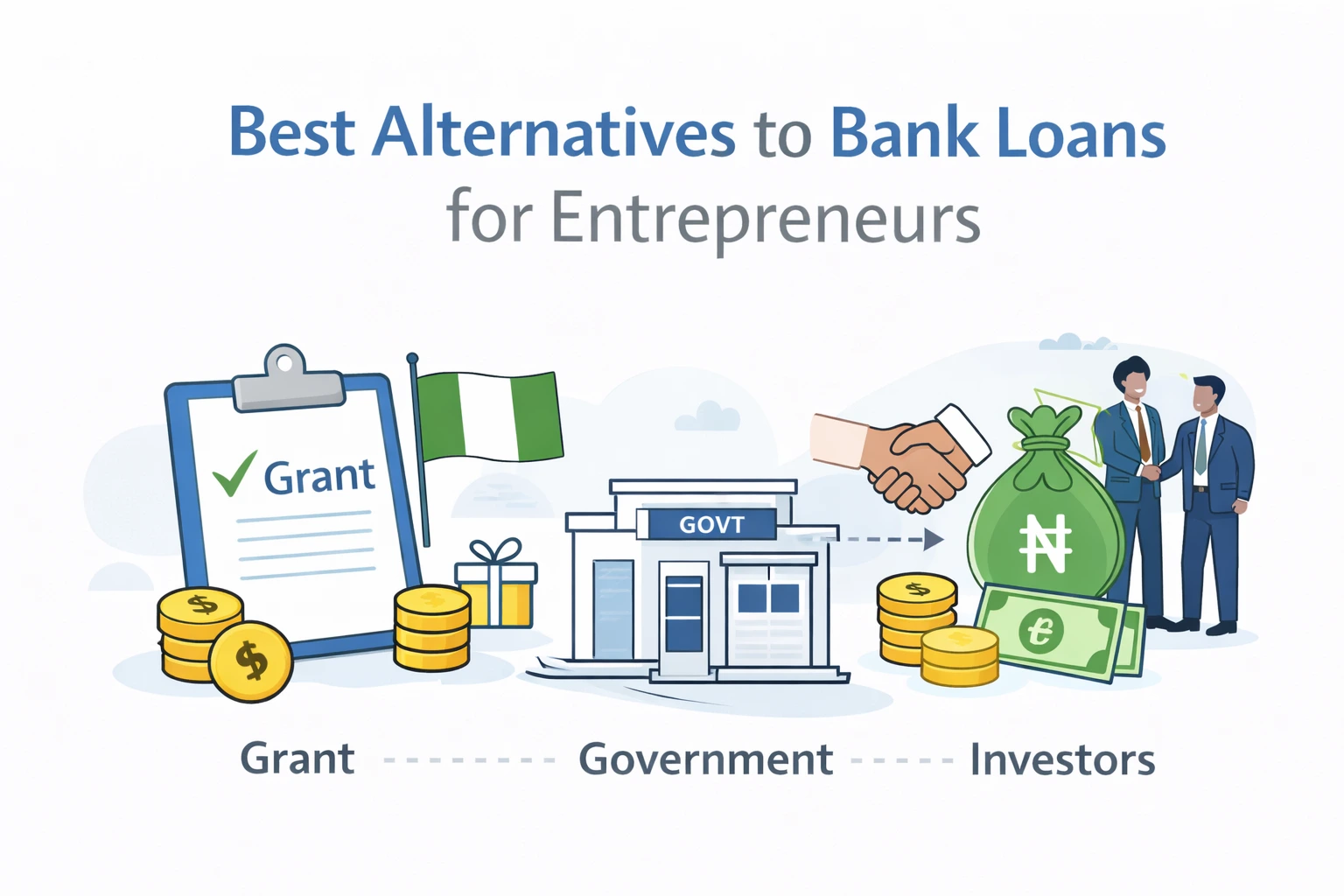
Business grants
Business grants remain one of the most attractive loan alternatives. Grants provide capital without repayment when conditions are met.
They work best for entrepreneurs funding specific projects such as innovation, skills development, sustainability, or expansion initiatives.
Grants reduce financial risk and protect cash flow. However, they are competitive and slow. Funds are often restricted to approved uses.
Grants are ideal for founders who can wait and meet strict requirements.
Revenue-based financing
Revenue-based financing allows entrepreneurs to raise capital and repay it as a percentage of monthly revenue.
There is no fixed monthly payment. Repayment rises when sales rise and falls during slow periods.
This option works well for businesses with consistent sales but fluctuating cash flow. It reduces default risk compared to fixed loans.
The trade-off is higher total repayment compared to traditional debt.
Angel investors
Angel investors provide capital in exchange for equity rather than repayment.
They are often experienced entrepreneurs themselves. Many offer mentorship, industry access, and strategic advice.
This option suits startups with strong growth potential but limited cash flow. There are no monthly repayments.
The cost is ownership dilution and shared control.
Venture capital (for scalable businesses)
Venture capital is not for every entrepreneur. It targets businesses with high-growth and scalable models.
Funding is exchanged for equity. There are no repayments. Instead, investors expect significant long-term returns.
This option works for technology-driven or rapidly expanding businesses. It does not suit lifestyle businesses or slow-growth models.
Crowdfunding
Crowdfunding allows entrepreneurs to raise funds from many small contributors.
There are two main types. Reward-based crowdfunding offers products or perks. Equity crowdfunding offers ownership shares.
Crowdfunding validates demand and raises capital simultaneously. It also requires strong marketing and public trust.
Funds are not guaranteed, and campaigns require effort to succeed.
Trade credit and supplier financing
Trade credit allows businesses to receive goods or services now and pay later.
This option reduces the need for cash upfront. It is common in retail, manufacturing, and distribution.
Supplier financing supports working capital without interest-heavy loans. Payment terms must be managed carefully to avoid strain.
Peer-to-peer lending platforms
Peer-to-peer lending connects entrepreneurs directly with individual lenders.
Approval is often faster than banks. Requirements may be more flexible.
Interest rates vary based on risk. Repayment is still required, but terms may be more negotiable than traditional loans.
Bootstrapping and reinvested profits
Bootstrapping uses internal cash flow to fund growth.
This option avoids debt and dilution completely. It also forces discipline and efficiency.
Growth may be slower, but risk remains low. Many sustainable businesses are built this way.
Strategic partnerships
Some entrepreneurs raise capital through partnerships rather than loans.
This may involve revenue sharing, co-investment, or advance payments.
Partnership funding aligns incentives and reduces repayment pressure. It requires trust and clear agreements.
Comparing alternatives to bank loans
| Funding Option | Repayment Required | Speed | Risk Level | Best For |
|---|---|---|---|---|
| Grants | No | Slow | Low | Project-based growth |
| Revenue-based financing | Yes (variable) | Medium | Medium | Sales-driven businesses |
| Angel investors | No | Medium | Low | Early-stage startups |
| Venture capital | No | Medium | Low | High-growth companies |
| Crowdfunding | No | Medium | Low | Market validation |
| Trade credit | Yes (short-term) | Fast | Medium | Inventory-heavy firms |
| Bootstrapping | No | Slow | Low | Sustainable growth |
How to choose the right alternative
The best alternative depends on your business reality.
Ask yourself:
Do I need speed or safety?
Can I handle fixed repayments?
Am I willing to share ownership?
Is this funding for growth or survival?
Clear answers reduce costly mistakes.
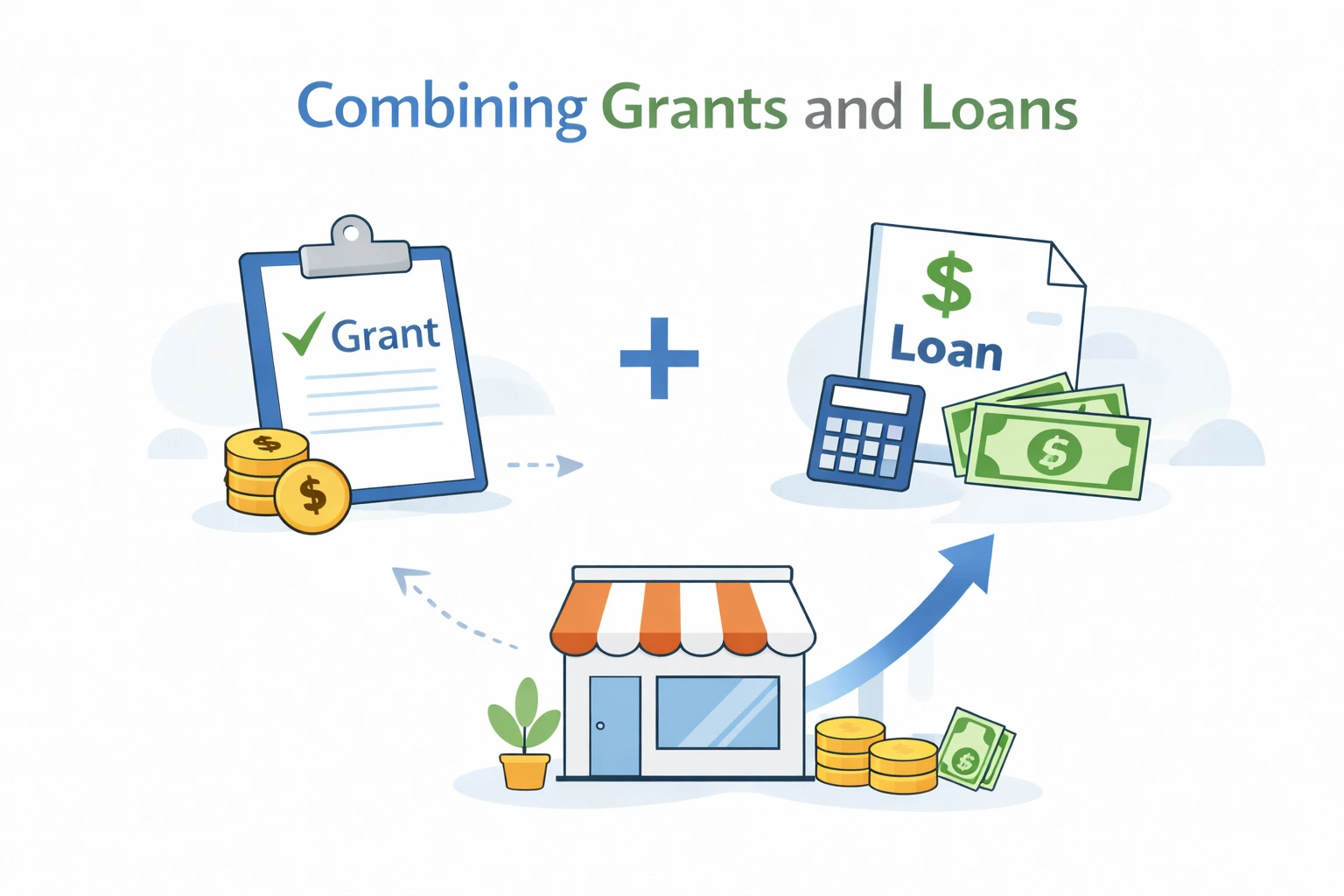
A smarter funding strategy for entrepreneurs
Many successful entrepreneurs combine options.
They use grants for stability, revenue-based financing for growth, and reinvested profits for control. Some add equity funding for scale.
The goal is balance, not dependence on one source.
Final perspective
Bank loans are no longer the only path to growth. In 2026, entrepreneurs can choose funding that fits their cash flow, risk tolerance, and ambitions.
The best funding option is the one that supports growth without threatening survival.
Capital should create opportunity, not anxiety.
Frequently Asked Questions (FAQ)
What is the safest alternative to bank loans for entrepreneurs?
Business grants and bootstrapping are the safest options because they avoid repayment pressure.
Are grants better than loans for startups?
Grants are better for reducing risk, but they are competitive and slow. Loans are faster but riskier.
Can revenue-based financing replace bank loans?
It can replace loans for businesses with steady revenue, but total repayment is often higher.
Do I need to give up ownership with angel investors?
Yes. Angel investors usually receive equity in exchange for funding.
Is crowdfunding reliable for raising business capital?
It can work well, but success depends on marketing, trust, and demand validation.
Which funding option is fastest after bank loans?
Trade credit, peer-to-peer lending, and revenue-based financing are usually faster than grants.
Can I combine multiple funding options?
Yes. Many entrepreneurs use mixed funding strategies to balance risk and growth.
Should early-stage businesses avoid bank loans entirely?
Not always. Loans can work if repayment is manageable and revenue is predictable.