Government grants that do not require repayment are one of the most attractive funding options available today. They provide capital without debt, interest, or monthly repayment pressure. For businesses, startups, nonprofits, and individuals, these grants reduce financial risk while supporting growth, innovation, and development.
In 2026, non-repayable government grants remain a core funding tool across many sectors. However, they are often misunderstood. These grants are not free cash for any purpose. They are structured, competitive, and outcome-driven.
This guide explains what non-repayable government grants are, how they work, who qualifies, and how to approach them strategically.
What are government grants that do not require repayment?
A non-repayable government grant is funding provided by a public authority that does not need to be paid back, as long as all conditions are met.
These grants are designed to achieve specific goals. They are not meant to replace regular income or cover personal expenses. Instead, they fund projects that align with economic, social, or development priorities.
If grant conditions are followed, repayment is not required. If conditions are violated, repayment or penalties may apply.
Why governments offer non-repayable grants
Governments use grants as policy tools, not as general business financing.
They offer non-repayable grants to:
- Encourage innovation and research
- Support early-stage businesses
- Create jobs and skills
- Promote sustainability and climate solutions
- Strengthen priority industries
- Support social and community impact
Grants exist to reduce risk where private funding is limited or unwilling.
Types of government grants that do not require repayment
Business and startup grants
These grants support business creation, innovation, and early growth. They are often targeted at startups, small businesses, or underrepresented founders.
Funds may be used for equipment, product development, tools, or setup costs. Spending is usually restricted to approved items.
Research and innovation grants
Research grants fund experimentation, development, and testing. They are common in technology, health, agriculture, manufacturing, and science-based sectors.
These grants focus on progress and discovery, not immediate profit.
Employment and workforce development grants
These grants support job creation, training, and skills development.
Funding may cover training costs, wages, apprenticeships, or workforce expansion tied to employment outcomes..
Sustainability and climate grants
Sustainability grants support energy efficiency, renewable energy, waste reduction, and environmental innovation.
They often act as long-term cost-saving investments while supporting climate goals.
Education and skills grants
Education grants fund learning, professional training, and capacity building.
They are often linked to future workforce needs or skills shortages.
Community and social impact grants
These grants support projects with measurable social benefits, such as healthcare, housing, education, and community development.
What “no repayment” actually means
Non-repayable does not mean unconditional.
Most grants require:
- Approved use of funds
- Clear documentation of spending
- Progress or outcome reports
- Compliance with timelines
- Audits or reviews when required
If these rules are broken, the funding may be withdrawn or repayment demanded.
The real cost of grants is compliance, not interest.
Who qualifies for non-repayable government grants?
Eligibility depends on the purpose of the grant.
Common eligibility factors include:
- Business size or stage
- Industry or sector
- Project type and objectives
- Target group or impact focus
- Innovation or development potential
Not every applicant qualifies. Grants are selective by design.
Advantages of non-repayable government grants
These grants offer strong benefits.
They:
- Do not create debt
- Protect cash flow
- Reduce financial risk
- Support long-term projects
- Improve credibility with partners and lenders
For early-stage or thin-margin operations, these benefits can be critical.
Limitations you must understand
Non-repayable grants also have limits.
They often involve:
- Slow application and approval processes
- High competition
- Restricted use of funds
- Administrative and reporting workload
Grants are not suitable for urgent cash needs or daily operations.
Common mistakes applicants make
Many applicants fail due to poor expectations.
Common mistakes include:
- Treating grants as emergency funding
- Ignoring eligibility rules
- Submitting weak or generic proposals
- Poor record-keeping
- Missing reporting deadlines
Successful applicants treat grants like contracts, not gifts.
How to approach non-repayable grants strategically
A strategic approach improves success.
Before applying:
- Match the grant to a specific project
- Define clear goals and outcomes
- Prepare a realistic budget
- Set up tracking and documentation systems
- Plan for compliance from day one
Grants reward preparation and clarity.
Can non-repayable grants replace loans?
In some cases, yes. In most cases, no.
Grants work best for development, innovation, and capacity building. They are not designed to fund inventory, payroll, or daily operations.
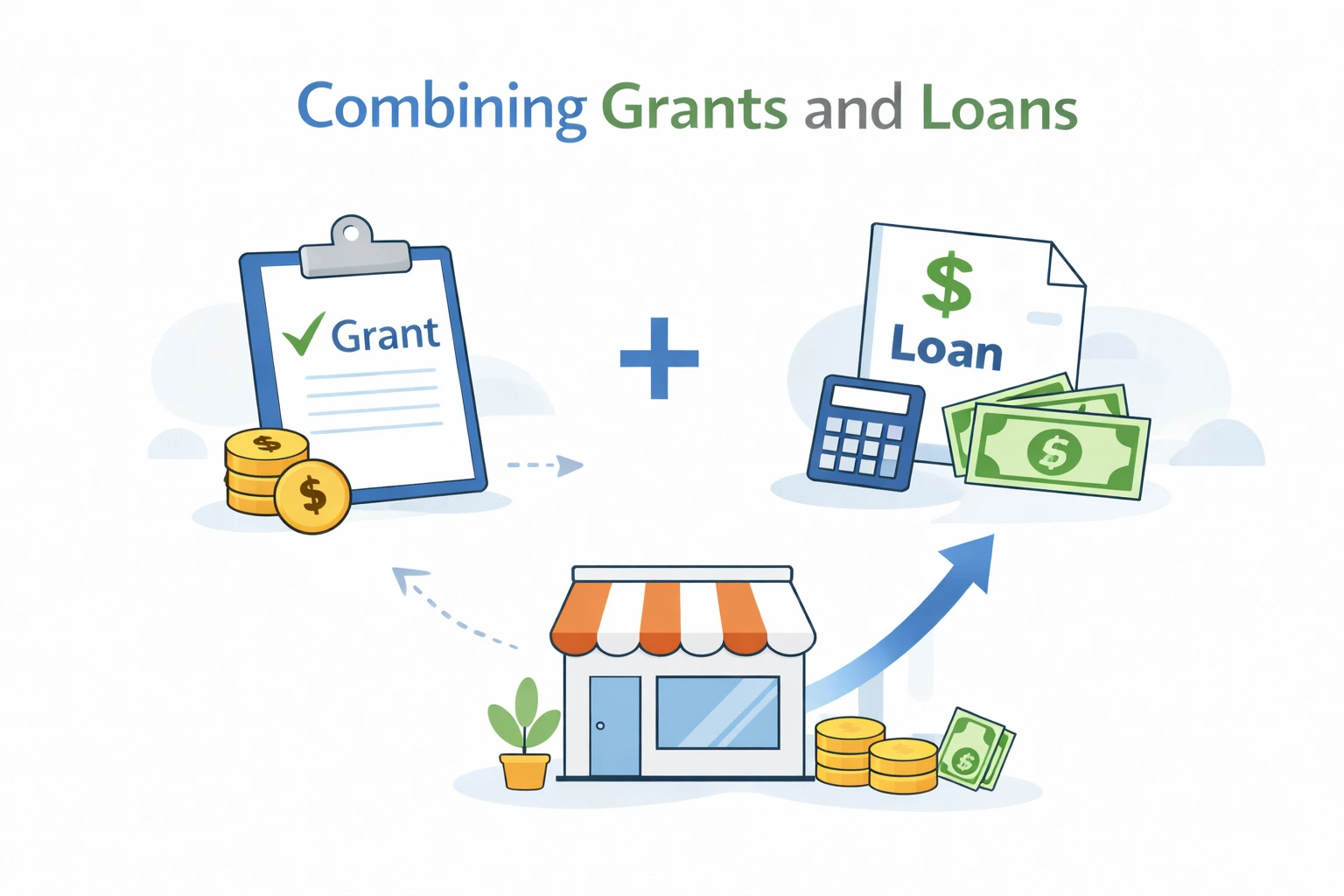
Many successful organizations use grants alongside other funding sources to balance stability and growth.
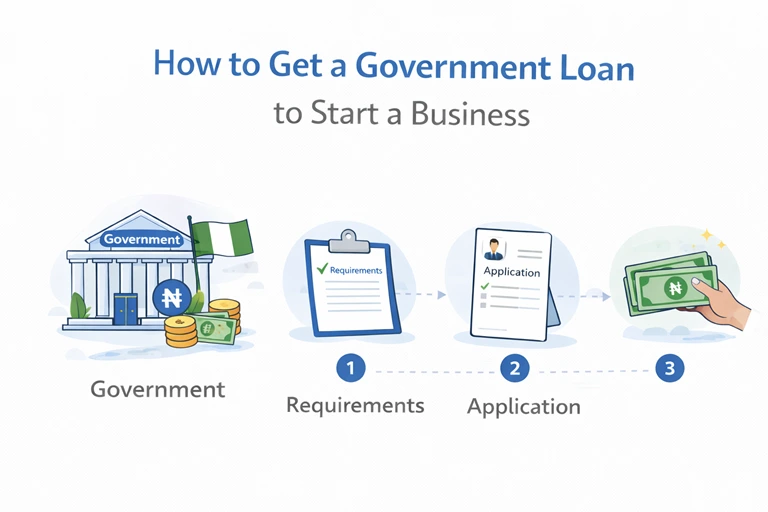
list of Government Loan to Start a Business 2026
Final perspective
Government grants that do not require repayment are powerful funding tools. They reduce risk, protect cash flow, and support long-term progress.
However, they are not shortcuts. They require patience, discipline, and accountability.
The smartest use of non-repayable grants is strategic. When aligned with clear goals, they can unlock growth without debt pressure.
Frequently Asked Questions (FAQ)
Do government grants really not require repayment?
Yes, most grants do not require repayment if all conditions are met. Failure to comply can trigger repayment or penalties.
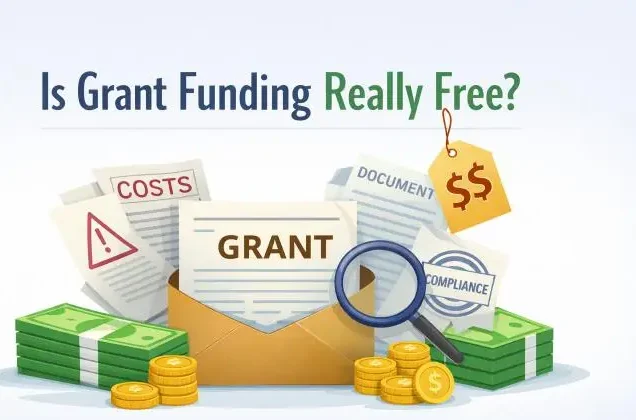
Are non-repayable grants truly free money?
No. While there is no repayment, grants require reporting, documentation, and strict use of funds.
Can businesses and startups qualify for non-repayable grants?
Yes. Many grants are designed specifically for startups and small businesses, depending on eligibility criteria.
Can grant money be used for general business expenses?
Usually no. Most grants restrict spending to approved project-related costs.
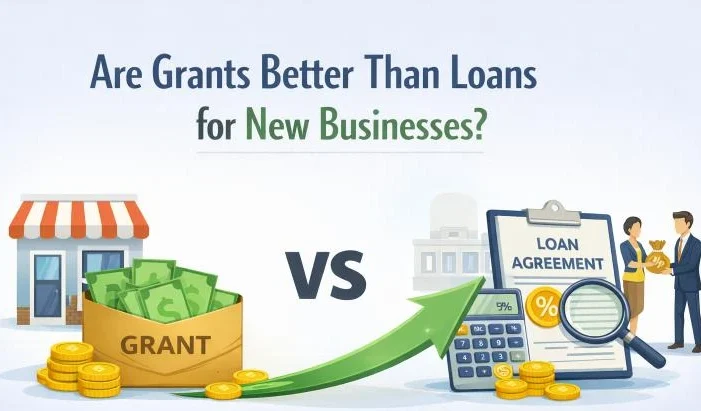
Are grants better than loans?
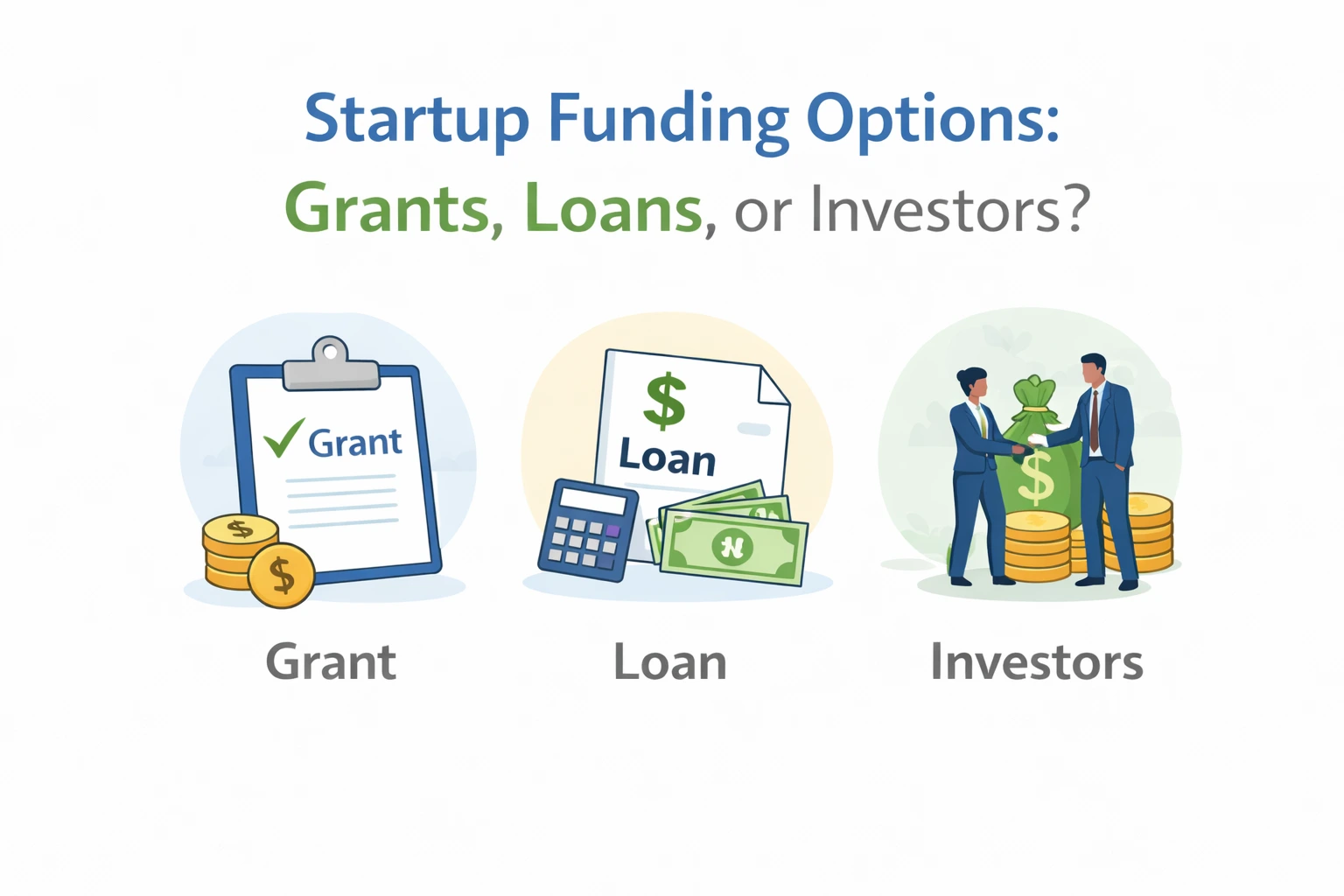
Grants reduce financial risk but are slower and more restrictive. Loans are faster but add repayment pressure.
How long does it take to receive grant funding?
Timelines vary. Approval and disbursement often take weeks or months.
Can an applicant receive more than one grant?
Yes, if rules allow and the same expense is not funded twice.
What happens if grant conditions are not met?
Funding may be withdrawn, and repayment or penalties may be required.