Lack of collateral is one of the biggest barriers to business funding. Many lenders still demand assets as security. Startups and small businesses often do not have property, equipment, or cash reserves to pledge. In 2026, this challenge remains common, but it is no longer a dead end.
Businesses without collateral can still access capital. The key is choosing funding options that assess viability, cash flow, or impact, rather than physical assets.
This guide explains the best funding options for businesses with no collateral, how they work, and when each option makes sense.
Why collateral is no longer the only path to funding
Traditional lending relies on collateral to reduce risk. However, modern funding models recognize that many viable businesses are asset-light.
Digital businesses, service firms, startups, and early-stage companies often have strong potential but few tangible assets. As a result, many funding providers now focus on:
- Cash-flow potential
- Revenue performance
- Business model strength
- Founder capability
- Project impact
This shift has expanded funding access for non-asset-based businesses.
Government grants
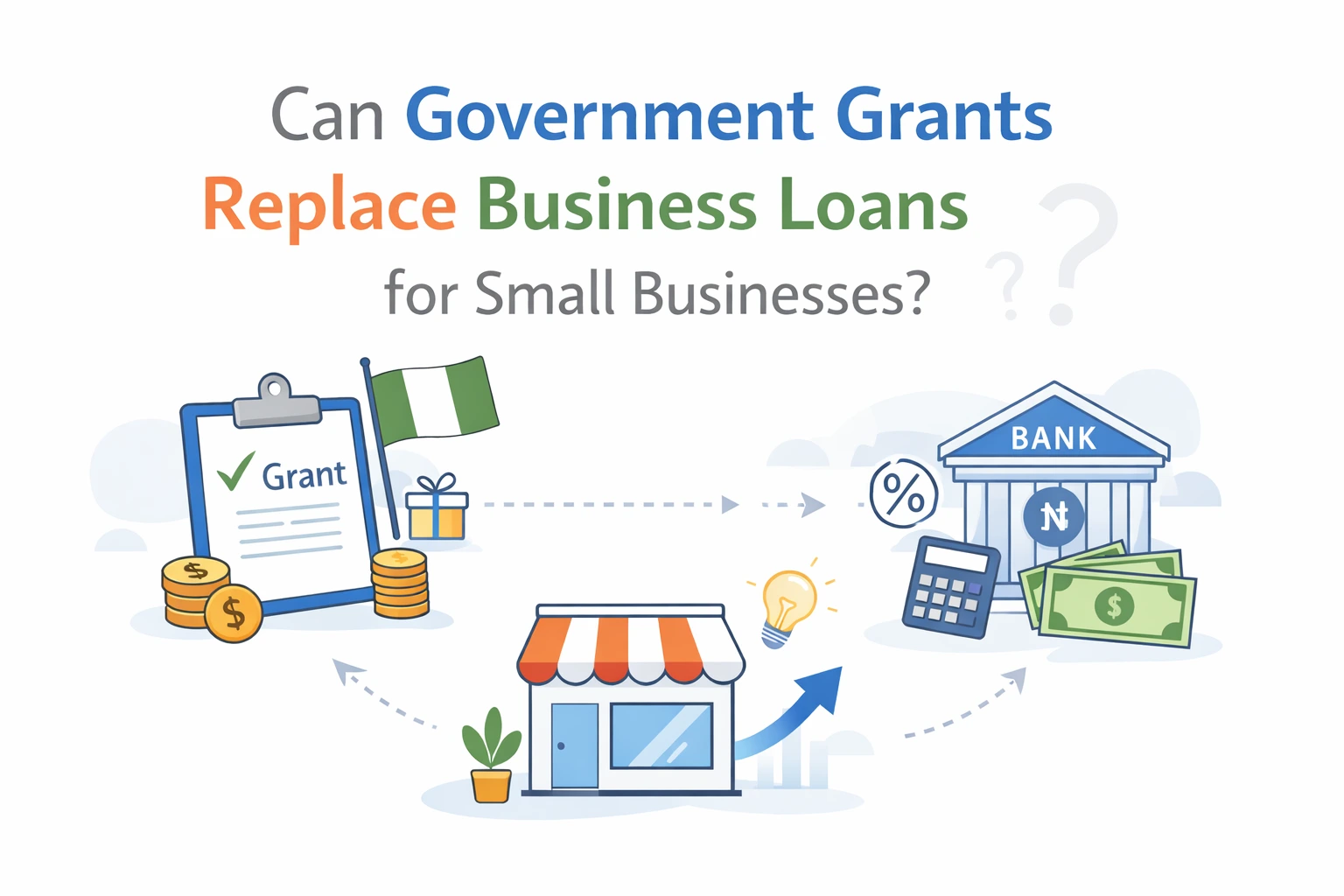
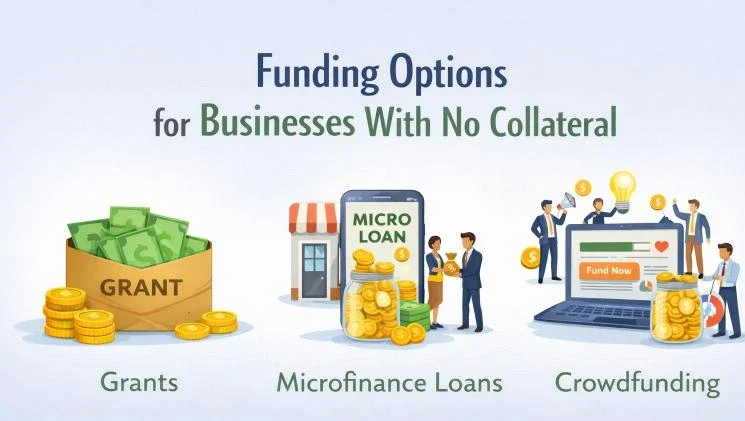
Government grants are one of the strongest options for businesses with no collateral. They do not require repayment if conditions are met, and they do not require assets as security.
Grants are best for:
- Startups and early-stage businesses
- Innovation and product development
- Training, systems, and capacity building
- Sustainability and impact-driven projects
The trade-off is time and structure. Grants are competitive and often slow. Funds are restricted to approved uses.
For businesses without collateral, grants reduce financial risk completely.
Government-backed loans
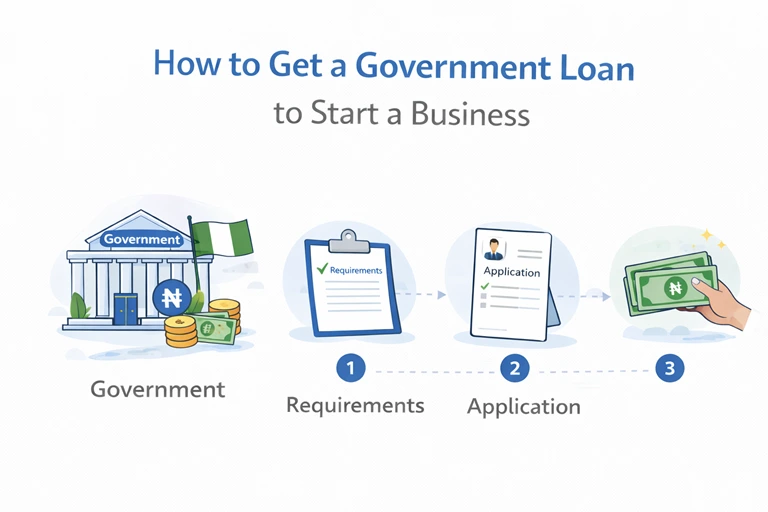
Some government-supported loan programs reduce or remove collateral requirements by sharing risk with lenders.
These loans are designed to support:
- Startups and small businesses
- First-time entrepreneurs
- Underserved or high-potential sectors
While repayment is required, collateral demands are usually lower than private loans. Approval depends more on business plans and cash-flow projections.
This option works well for businesses that can handle repayments but lack assets.
Revenue-based financing
Revenue-based financing allows businesses to raise capital without collateral and repay it as a percentage of revenue.
There are no fixed monthly payments. Repayment adjusts based on sales performance.
This option is suitable for:
- Businesses with consistent revenue
- Subscription or recurring-income models
- Firms with seasonal cash flow
The cost is higher than traditional loans over time, but default risk is lower. No assets are pledged.
Angel investors
Angel investors provide capital in exchange for equity, not collateral.
They invest based on:
- Growth potential
- Market opportunity
- Founder capability
- Business model strength
There is no repayment pressure. The cost is ownership dilution and shared control.
Angel funding works best for startups with scalable ideas and long-term growth plans.
Venture capital
Venture capital is another collateral-free option, but it is highly selective.
It targets businesses that can scale rapidly and deliver large returns. Most traditional small businesses do not qualify.
For eligible startups, venture capital provides large funding without repayment. The trade-off is significant equity loss and external influence.
Crowdfunding
Crowdfunding allows businesses to raise money from many small contributors without collateral.
Common models include:
- Reward-based crowdfunding
- Equity crowdfunding
This option works well for product-based businesses and consumer-facing brands. It also validates demand.
Success depends on marketing strength and trust.
Trade credit and supplier financing
Some businesses access funding through suppliers instead of lenders.
Trade credit allows businesses to receive goods now and pay later. This reduces the need for upfront capital.
It is common in retail, manufacturing, and distribution. While short-term, it supports cash flow without collateral.
List of funding for Small Business
This list is updated often with new opportunities, deadlines, eligibility requirements, and funding details.
Bootstrapping and reinvested profits
Bootstrapping uses internal cash flow instead of external funding.
It avoids collateral, debt, and dilution. Growth is slower, but control is full.
This option suits businesses with healthy margins and patient growth strategies.
Comparing collateral-free funding options
| Funding Option | Collateral Required | Repayment | Best For |
|---|---|---|---|
| Government grants | No | None | Early-stage, low risk |
| Government-backed loans | Low or none | Yes | Startups with plans |
| Revenue-based financing | No | Variable | Revenue-driven firms |
| Angel investors | No | None | High-growth startups |
| Venture capital | No | None | Scalable businesses |
| Crowdfunding | No | None | Product validation |
| Trade credit | No | Short-term | Inventory-based firms |
| Bootstrapping | No | None | Sustainable growth |
This comparison shows that lack of collateral does not block access to capital.
Common mistakes businesses without collateral make
The biggest mistake is applying for the wrong funding type.
Other common errors include:
- Overestimating revenue
- Taking loans too early
- Giving up equity unnecessarily
- Waiting too long for grants
Funding decisions should be based on numbers, not desperation.
How to improve funding chances without collateral
Businesses without assets must compensate with clarity.
Strong applications usually include:
- Clear business plans
- Realistic cash-flow projections
- Defined use of funds
- Honest risk assessment
Preparation matters more when collateral is absent.
Final perspective
Collateral is no longer the gatekeeper it once was. In 2026, businesses without assets still have multiple funding paths.
Grants reduce risk.
Equity removes repayment pressure.
Revenue-based options align with cash flow.
The right choice depends on business stage, revenue stability, and growth goals.
Capital should enable growth without threatening survival.
Frequently Asked Questions (FAQ)
Can a business get funding without any collateral?
Yes. Grants, equity funding, revenue-based financing, and crowdfunding do not require collateral.
Are loans without collateral risky for businesses?
They can be. Repayment still applies, so cash flow must support the obligation.
Which funding option is safest without collateral?
Grants and bootstrapping are the safest because they do not create repayment pressure.
Do investors require collateral?
No. Investors assess growth potential, not physical assets.
Is revenue-based financing better than loans without collateral?
It can be. Repayment adjusts with revenue, reducing default risk.
Can startups with no assets qualify for funding?
Yes. Many funding options target early-stage and asset-light businesses.
Is crowdfunding reliable for businesses with no collateral?
It can be, but success depends on marketing, trust, and demand.
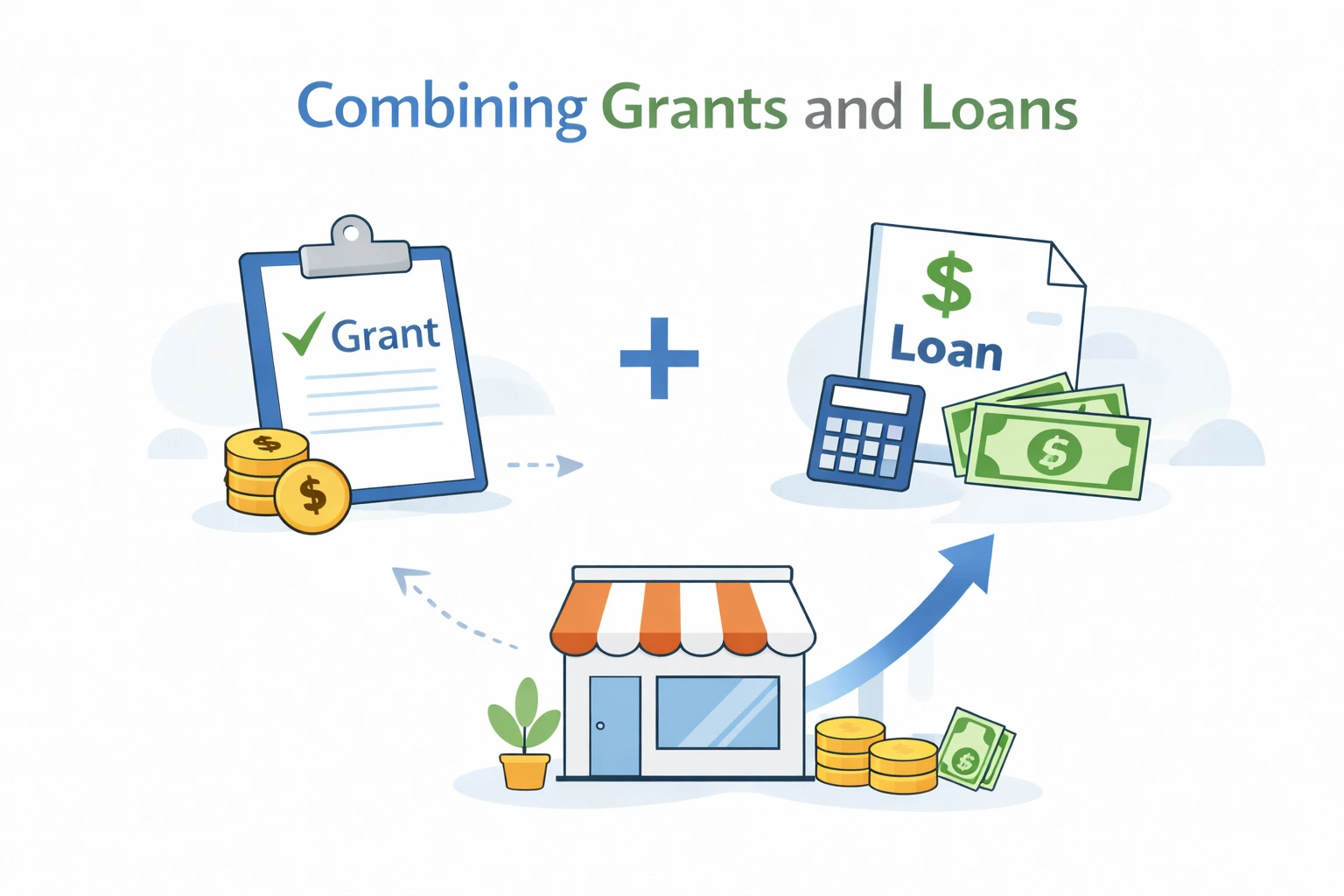
Should businesses mix multiple collateral-free options?
Yes. Combining options often reduces risk and improves flexibility.