For many Nigerian small and medium-sized enterprises (SMEs), the biggest barrier to growth is access to affordable capital. Traditional bank loans often require collateral, carry high interest rates, and impose repayment pressure that young businesses cannot sustain.
Federal funding programs offer an alternative. These initiatives are designed to help entrepreneurs access capital, training, and business support without the burden of expensive borrowing. However, many SMEs still struggle to access these opportunities because they lack preparation or do not know the most affordable pathways.
This guide explains practical and affordable solutions Nigerian SMEs can use to access federal funding opportunities successfully.
Why federal funding matters for Nigerian SMEs
Federal funding initiatives exist to stimulate economic growth, support innovation, and create employment. These programs often provide grants, conditional support, subsidized loans, and training opportunities.
For SMEs, federal funding can help:
- Launch new business ideas
- Expand production capacity
- Purchase equipment and tools
- Adopt digital technologies
- Create employment opportunities
Because these programs are designed to support national development, they often offer better terms than commercial loans.
Common challenges SMEs face when seeking federal funding
Despite the availability of federal programs, many SMEs struggle to access them.
Some of the most common challenges include:
- Lack of information about available programs
- Incomplete documentation
- Weak business proposals
- Limited financial records
- Poor understanding of application processes
Addressing these challenges can dramatically improve access to funding opportunities.
Affordable solution #1: Prepare a simple but strong business plan
A clear business plan is often the most important requirement when applying for federal funding.
The good news is that a complex business plan is not always necessary. A simple and well-structured document can be enough.
Your plan should explain:
- What your business does
- Who your target customers are
- How you generate revenue
- How the grant funding will be used
- Expected outcomes or growth impact
A well-prepared plan increases credibility and strengthens your application.
Affordable solution #2: Register your business formally
Many SMEs operate informally, but federal funding programs usually require official business registration.
Registering your business with the Corporate Affairs Commission (CAC) provides several advantages:
- Legitimacy when applying for funding
- Access to government programs
- Ability to open a business bank account
- Improved credibility with partners and investors
Formal registration is one of the most affordable steps toward qualifying for federal support.
Affordable solution #3: Maintain basic financial records
Many SMEs do not keep structured financial records, which can weaken their funding applications.
You do not need complicated accounting systems. Even basic records can help.
Important records include:
- Monthly sales and revenue
- Business expenses
- Inventory records
- Bank statements
These documents help funding agencies understand the financial health of your business.
Affordable solution #4: Leverage SME development agencies
Several national agencies support SME development by providing training, advisory services, and funding opportunities.
Entrepreneurs who engage with SME support agencies can benefit from:
- Business training programs
- Mentorship opportunities
- Access to funding information
- Application support services
These services are often free or highly subsidized, making them an affordable pathway to federal funding.
Affordable solution #5: Join entrepreneurship training programs
Many federal funding initiatives include training components.
Participating in entrepreneurship programs can help SMEs:
- Improve business management skills
- Develop stronger grant proposals
- Build networks with other entrepreneurs
- Access additional funding opportunities
Training programs often improve your eligibility for future funding.
Affordable solution #6: Collaborate with other entrepreneurs
Collaboration can strengthen funding applications.
SMEs can form partnerships with:
- Other small businesses
- Community organizations
- Industry associations
Collaborative projects often demonstrate larger impact, which can increase funding approval chances.
Partnerships can also reduce operational costs and improve project implementation.
Affordable solution #7: Use digital tools to manage applications
Digital tools can make the grant application process easier and more affordable.
Entrepreneurs can use simple tools to:
- Draft business proposals
- Track grant deadlines
- Organize required documents
- Monitor application progress
Using digital tools reduces errors and saves time.
Affordable solution #8: Monitor federal funding announcements
Many SMEs miss funding opportunities simply because they are unaware of new programs.
Entrepreneurs should actively monitor:
- Government announcements
- SME development portals
- Entrepreneurship support platforms
- Business funding websites
Staying informed helps you apply early before deadlines.
Avoid expensive funding shortcuts
Some entrepreneurs attempt to access funding through expensive intermediaries or consultants.
While professional guidance can be helpful, SMEs should be cautious about paying high fees for grant assistance.
Many federal funding programs provide free application guidelines and support resources.
Entrepreneurs can often complete applications themselves with proper preparation.
Build credibility before applying
Funding agencies often prefer businesses that show evidence of real progress.
You can build credibility by:
- Demonstrating early customer demand
- Launching pilot projects
- Building a small operational history
- Maintaining professional business records
Even small achievements can strengthen your application profile.
Final thoughts
Federal funding programs provide valuable opportunities for Nigerian SMEs to access affordable capital, training, and business support.
However, accessing these opportunities requires preparation and strategy. SMEs that maintain proper documentation, develop clear business plans, and stay informed about funding opportunities significantly increase their chances of success.
By adopting these affordable solutions, Nigerian SMEs can position themselves to benefit from federal funding while building stronger and more sustainable businesses.
Frequently Asked Questions (FAQ)
Can Nigerian SMEs access federal grants without collateral?
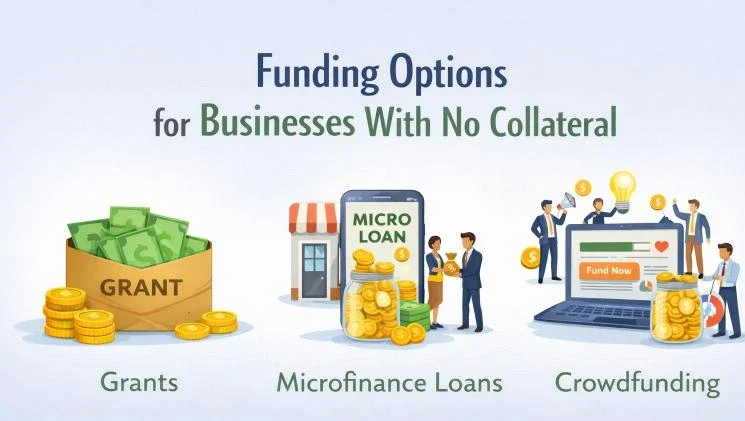
Yes. Grants typically do not require collateral because they are non-repayable funding programs.
Do SMEs need CAC registration to access federal funding?
Most federal programs require formal business registration to ensure accountability.
Are federal funding programs only for startups?
No. Many programs support both new businesses and existing SMEs seeking expansion.
Do SMEs need a business plan to apply for funding?
Yes. Most funding programs require a proposal explaining how the funds will be used.
How can SMEs stay informed about funding opportunities?
Entrepreneurs can monitor government announcements, entrepreneurship programs, and business funding platforms.
Are federal funding programs available across Nigeria?
Many national programs are designed to support entrepreneurs across multiple states.
Do federal grants require repayment?
No. Grants are non-repayable if program conditions are followed.
Can SMEs apply for multiple funding programs?
Yes, provided the business meets the eligibility criteria and program requirements.